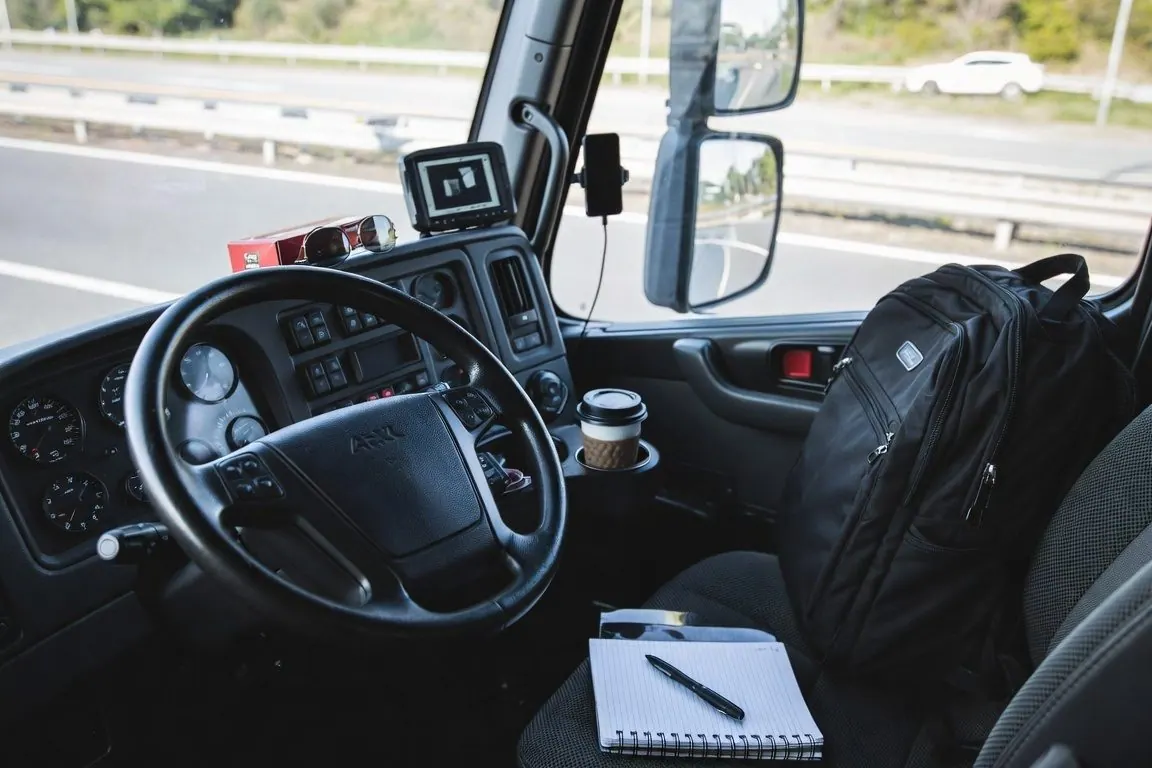
Most drivers carry the obvious stuff — a few tools, some snacks, a phone charger, and the required safety equipment. The difference between a smooth trip and a miserable one often comes down to the small items that rarely get mentioned until you need them and don’t have them.
Here’s a practical list of things experienced drivers keep in the cab that a surprising number of truckers still overlook.
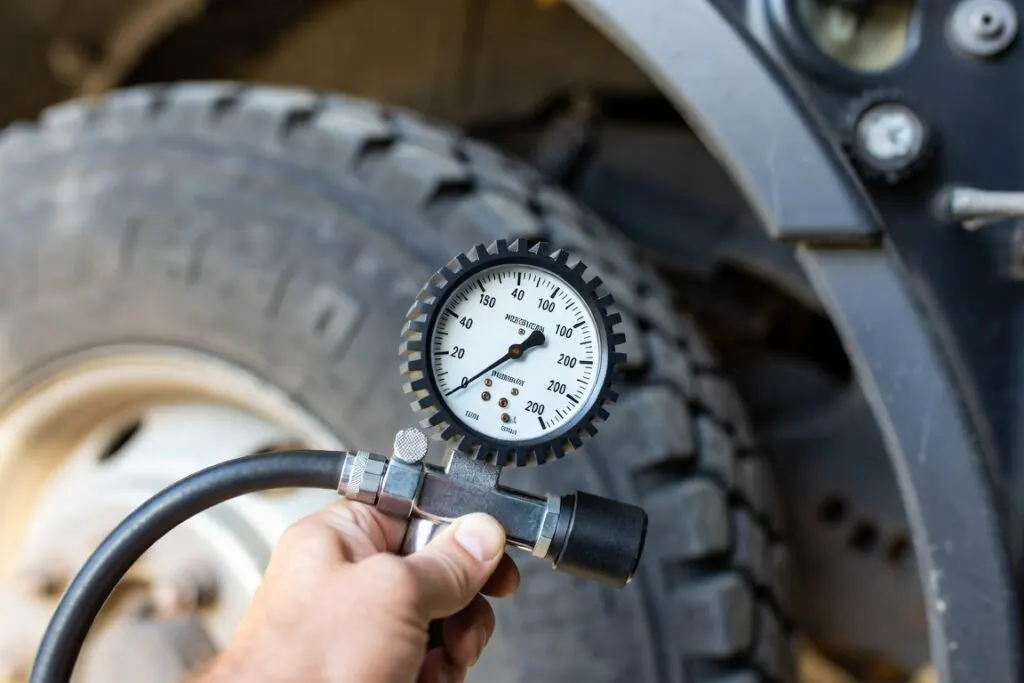
1. A Real Tire Pressure Gauge (Not Just the One on the Air Chuck)
Many drivers rely on the gauge at the fuel island or the built-in chuck gauge. Those are often inaccurate. A quality handheld gauge that you trust and keep in the door pocket lets you check pressures properly when tires are cold. Underinflation is one of the leading causes of premature tire wear and blowouts. Checking with a reliable gauge takes less than two minutes and routinely saves money and roadside headaches.
2. Basic First-Aid Kit Plus a Few Personal Medications
Most trucks have something that qualifies as a first-aid kit, but many are incomplete or expired. Add a small personal kit with pain relievers, antacids, allergy medicine, motion-sickness tablets, electrolyte packets, and any prescription meds you rely on. Getting stuck for hours with a headache, stomach issue, or dehydration is far more common than people admit.
3. Heavy-Duty Work Gloves and a Pair of Nitrile or Latex Gloves
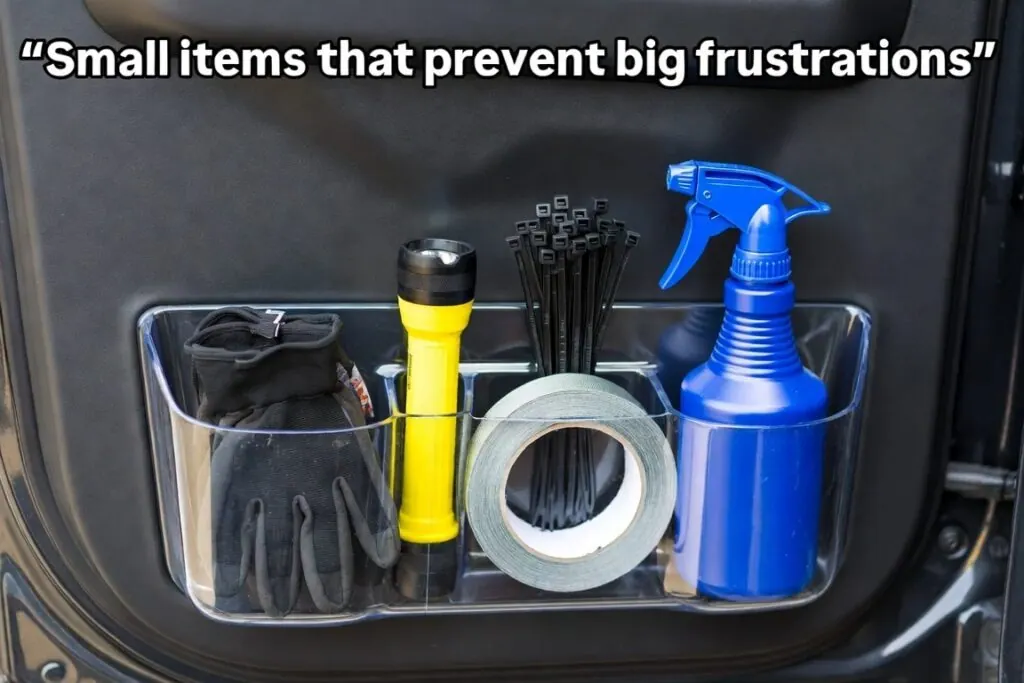
Work gloves protect your hands during pre-trips, chaining, or handling dirty equipment. Disposable gloves are useful for dealing with fluid leaks, messy loads, or cleaning up. Most drivers eventually need both and regret not having them when their hands are already dirty.
4. Quality Flashlight (or Two) with Extra Batteries
Phone flashlights work until the battery is low or you need both hands. A durable LED flashlight (and a smaller backup) makes night pre-trips, breakdowns, and trailer checks much easier and safer. Keep extra batteries in a labeled bag so you’re never searching in the dark.
5. Zip Ties, Duct Tape, Electrical Tape, and a Small Roll of Wire
These four items fix more temporary problems than most people expect — loose wires, flapping mud flaps, temporary hose holds, securing loose items in the cab, or keeping a trailer door from banging. They take almost no space and solve problems that would otherwise require a stop or a call for help.
6. Spare Phone Chargers and a Power Bank
Cables fail, get lost, or stop working. Having at least one good spare cable and a charged power bank prevents the classic “phone died and I can’t reach dispatch or find a safe place to park” situation. A small power inverter is also useful if you run multiple devices.
7. Simple Cleaning Supplies
A roll of paper towels, a container of wet wipes, a small bottle of all-purpose cleaner, and a few trash bags keep the cab from turning into a disaster after a few days. Drivers who keep these items consistently have cleaner, less stressful living spaces and spend less time deep-cleaning later.
8. Paper Backup for Important Information
Even with ELDs and phones, keep a small notebook or printed list with:
- Key phone numbers (dispatch, breakdown, family, preferred shops)
- Your truck and trailer numbers
- Basic medical information or emergency contacts
- A couple of blank paper log pages in case of ELD failure
When technology fails or service is poor, paper still works.
9. A Few Non-Perishable Food and Drink Backups
A couple of protein bars, a jar of peanut butter, instant oatmeal, or shelf-stable meals and a can opener can turn a long unexpected delay into something manageable. Most drivers eventually get stuck somewhere with limited food options.
10. Reflective Vest and Extra Safety Triangles Awareness
You already need triangles, but many drivers don’t keep a high-visibility vest easily accessible. If you have to walk around the truck at night or on the shoulder, the vest is one of the simplest safety upgrades you can make.
Bonus Items Worth Considering
- Spare fuses for common circuits
- A basic multi-tool
- Earplugs and an eye mask for better sleep in noisy lots
- A small bottle of hand sanitizer and moisturizer (constant washing and gloves dry out hands)
- Cash for situations where cards don’t work
How to Keep It All Organized
Throwing everything in a glove box or under the bunk defeats the purpose. Use a small clear plastic bin, a dedicated door-pocket organizer, or labeled bags so you can find what you need quickly. Check the kit every few weeks and replace anything that’s been used or expired.
Most of these items cost very little and take almost no space. The drivers who keep them rarely talk about them — until another driver is stuck without one. A few minutes of preparation prevents hours of frustration and, in some cases, serious safety problems.
The best cab is the one that quietly solves problems before they become emergencies.